


An LPG boiler works in much the same way as a mains gas boiler, it just draws its fuel from a tank or cylinder on your property instead of a pipe in the street. For homes that aren’t connected to the mains gas network, it’s one of the main heating options worth weighing up alongside oil, and it suits a mixed area like Shiplake particularly well, where some streets are on mains gas and others aren’t.
What actually is an LPG boiler?
LPG stands for liquefied petroleum gas. It burns in a very similar way to mains natural gas, so an LPG boiler looks and performs much like a standard gas boiler, combi, system or regular versions are all available. The difference is entirely in how the fuel gets to the boiler, from an on site tank rather than an underground pipe.
How is LPG supplied and stored?
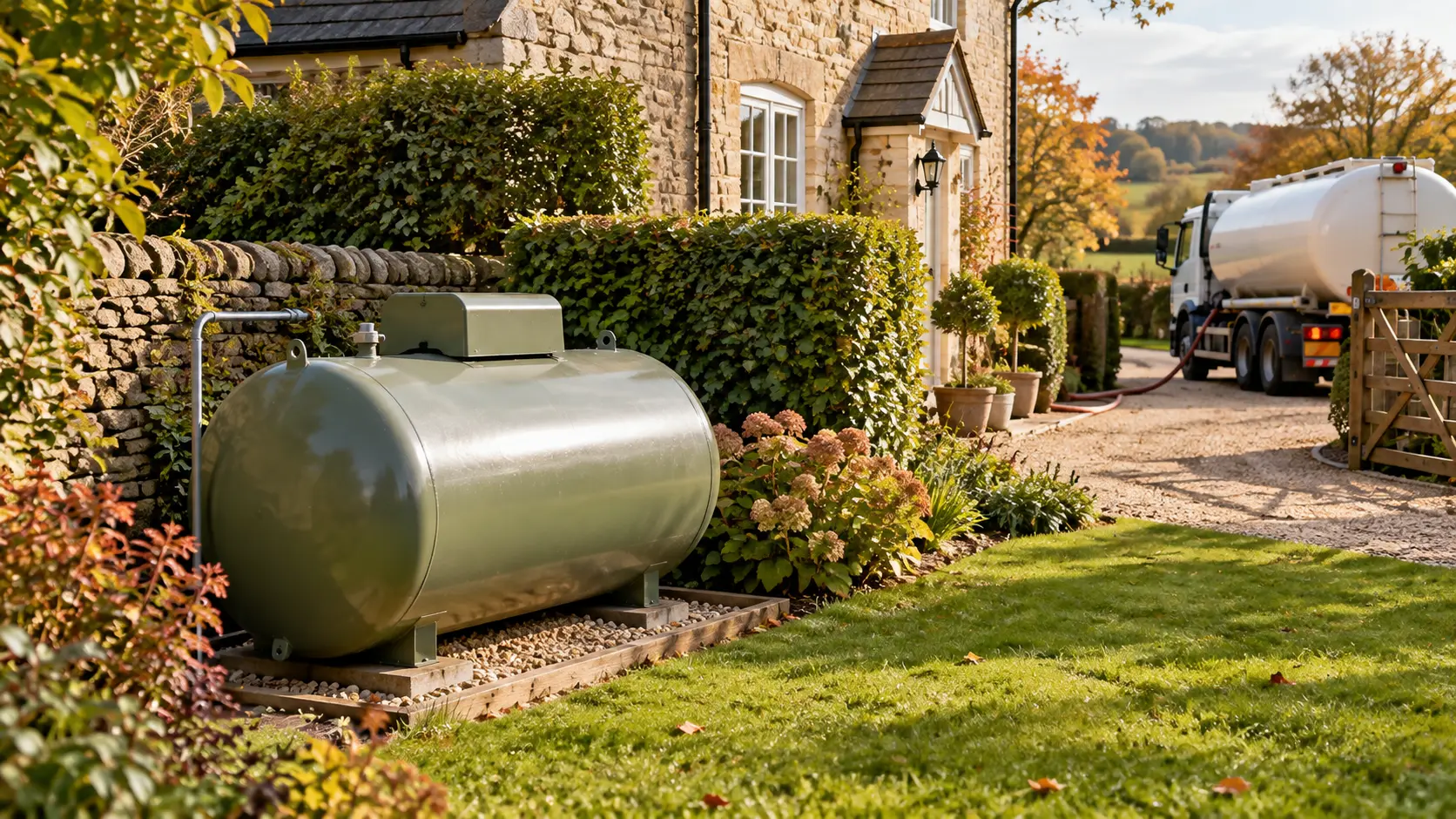
LPG is delivered by tanker and stored either in an overground tank in the garden, an underground tank, or smaller gas bottles for lower use properties. Most homes on a boiler large enough to run central heating and hot water use a proper tank rather than bottles. You’ll need suitable space for the tank, with clear access for the delivery tanker, something worth checking before committing to LPG over oil.
How does LPG compare to mains gas?
Performance wise, there’s very little difference, an LPG boiler heats water and radiators the same way a mains gas one does, and the running experience day to day feels identical. The difference is cost and control, mains gas is piped in as you use it with no storage needed, while LPG needs you to monitor tank levels and arrange deliveries, similar to running an oil system.
How does LPG compare to an oil boiler?
Both are the main options for a property off the gas grid, and the choice often comes down to what’s already on the property or personal preference. Oil is generally the cheaper fuel per unit, but LPG burns more cleanly and the boilers themselves are very similar to mains gas equivalents, which some homeowners prefer for familiarity. A rural property near Nettlebed might already have oil tank infrastructure in place, making that the simpler switch, while a property with no existing setup is a genuinely open choice between the two.
LPG, mains gas and oil at a glance
| LPG | Mains gas | Oil | |
|---|---|---|---|
| Fuel source | Delivered tank or cylinder on site | Piped in via the mains network | Delivered tank on site |
| Boiler type available | Combi, system or regular | Combi, system or regular | System or regular, rarely combi |
| Storage needed | Yes, tank or cylinder with delivery access | No | Yes, tank with delivery access |
| Best suited to | Off grid properties that want gas-like performance | Any property connected to the mains network | Off grid properties, especially where oil infrastructure already exists |
Is an LPG boiler right for my home?
It’s worth considering if:
- Your property isn’t connected to the mains gas network, common in villages and rural pockets around Shiplake
- You want a boiler that performs and feels like a standard gas system rather than an oil alternative
- You have suitable space for a tank with clear delivery access
- You’re building new or replacing an old system and don’t already have oil infrastructure in place
Does an LPG boiler cost more to run than mains gas?
Generally yes, LPG tends to cost more per unit of energy than mains gas, since it has to be delivered rather than piped. It’s usually compared against oil rather than mains gas, since both are the realistic options for a property that isn’t on the gas network at all.
Can I convert my existing gas boiler to run on LPG?
Some boilers can be converted with the right conversion kit fitted by a registered engineer, but not all models support it. It’s worth having your specific boiler assessed rather than assuming conversion is possible, a straight replacement with an LPG rated boiler is sometimes the simpler option.
Talk to us about LPG for your home
Whether you’re weighing up LPG against oil for a property in Shiplake or anywhere else off the mains gas network, we can talk you through what suits your home and arrange a survey to confirm tank placement and system size. Get in touch to book a visit.